Quick answer
Microneedling uses a pen with fine, sterile needles to create tiny channels in the skin, which triggers the body's natural healing response and new collagen. It is one of the best non-surgical options for acne scars, fine lines, large pores and uneven texture. Most people need 3 to 6 sessions 4 to 6 weeks apart, with 1 to 3 days of redness after each.
Key takeaways
- Microneedling stimulates your own collagen and elastin, so results build gradually over weeks and months.
- It is especially effective for depressed acne scars, texture and enlarged pores.
- A numbing cream is applied first; most people feel light pressure or prickling.
- Expect redness like a mild sunburn for 1 to 3 days.
- It is not done over active, inflamed acne, cold sores or infection.
On this page
What is microneedling?
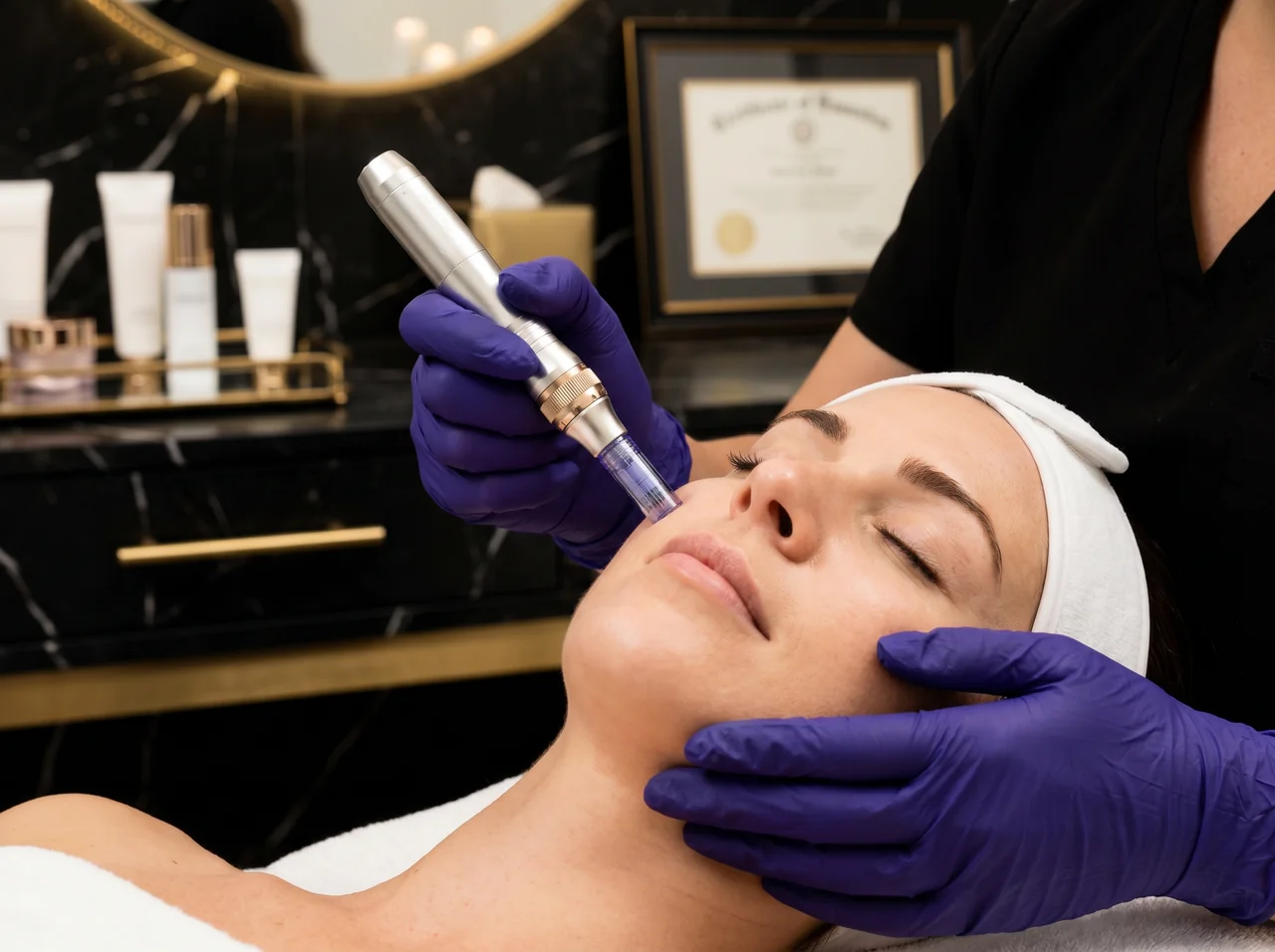
Microneedling, also called collagen induction therapy, uses a handheld pen fitted with very fine, sterile needles. As the pen moves across the skin, it creates thousands of tiny, controlled micro-channels. Your skin responds by starting its natural repair process, which includes producing new collagen and elastin, the proteins that keep skin smooth and firm.
At Blissful Touch, a microneedling session takes about 60 minutes, including numbing.
What can microneedling help with?
- Acne scars, especially rolling and boxcar scars
- Uneven texture and rough skin
- Enlarged pores
- Fine lines and early wrinkles
- Mild pigmentation and dullness
- Loss of firmness, for a tighter look over time
How microneedling works on acne scars
Acne scars form when inflamed breakouts damage the deeper layer of skin and it heals unevenly, leaving dips and indents. Microneedling helps by encouraging fresh collagen to form in and around these areas, which gradually lifts and softens the look of the scars. It doesn't erase scars overnight, but a series often makes a clear, visible difference.
Microneedling pros and cons
Pros
- Proven option for softening acne scars and uneven texture
- Uses your skin's own healing to build collagen
- Suitable for many skin tones when performed carefully
- Short downtime compared with more aggressive resurfacing
- Improves fine lines, pores and skin firmness over a series
Cons
- Needs a series of 3 to 6 sessions for the best results
- 1 to 3 days of redness, and sometimes dryness or flaking
- Results take weeks to appear, not instantly
- Not suitable over active acne, cold sores, eczema or infection
- Strict sun protection and skincare rules afterwards
Results timeline: what to expect
| Time after session | What usually happens |
|---|---|
| Day 1 | Pink to red skin, like a mild sunburn; skin may feel tight or warm |
| Days 2 to 3 | Redness fades; slight dryness or light flaking is possible |
| Week 1 | Skin looks fresher, smoother and brighter |
| Weeks 4 to 6 | Collagen keeps building; time for your next session |
| 1 to 3 months after a series | The most visible improvement in scars, texture and pores |
Who is a good candidate?
Microneedling is a good fit if you have acne scars, uneven texture or early signs of aging and want a treatment with relatively short downtime. It is used on many skin tones when performed with care.
When to wait or avoid it
Tell us if you are pregnant, are taking or have recently taken isotretinoin, have active inflamed acne, cold sores, eczema or infection in the area, or are prone to keloids. If you have active breakouts, an acne facial can help calm the skin first.
At Blissful Touch
Microneedling in NE Calgary
See treatment times, what to expect and quick answers on our Microneedling page, or book online any time.
Aftercare: the first week
- No makeup for 24 hours. The micro-channels need time to close.
- Use gentle products only: a mild cleanser, a simple moisturizer and sunscreen.
- Avoid retinoids, acids and exfoliants for several days.
- Avoid direct sun, saunas, swimming pools and intense workouts for 48 hours.
- Wear broad-spectrum sunscreen every day, even in winter.
- Don't pick at any dry or flaking skin.
Microneedling vs other treatments
Microneedling works deeper on scars and collagen than a HydraFacial or a light chemical peel. If your skin mainly needs glow and hydration, a HydraFacial is gentler. If you are torn between microneedling and a peel, read our microneedling vs chemical peel comparison.
Bottom line
Microneedling is a reliable, science-backed option for acne scars, texture and fine lines. Plan for a series, protect your skin from the sun, and give collagen time to do its work. The results are gradual, but they are your own skin, renewed.
Frequently asked questions
Does microneedling hurt?
A numbing cream is applied first, so most people feel only light pressure or mild prickling. Bony areas such as the forehead can feel a little more noticeable.
How many microneedling sessions do I need?
Most people see the best results from about 3 to 6 sessions spaced 4 to 6 weeks apart. Deeper acne scars usually need the upper end of that range.
When will I see results from microneedling?
Skin often looks smoother and brighter within about a week. Collagen keeps building for weeks after each session, so the biggest improvement in scars and texture is usually seen 1 to 3 months after a series.
What is the downtime after microneedling?
Expect redness similar to a mild sunburn for 1 to 3 days. Avoid makeup for 24 hours, and avoid direct sun, exfoliants and retinoids for several days.
Is microneedling good for acne scars?
Yes. It is commonly used to soften the look of rolling and boxcar acne scars and uneven texture. It is not done over active, inflamed acne, so breakouts may need to settle first.
Who should avoid microneedling?
Tell us if you are pregnant, are taking or have recently taken isotretinoin, have active acne, cold sores, eczema or infection in the area, or are prone to keloid scars.
This guide is general information, not medical advice. Results vary from person to person. If you have a medical condition, are pregnant or take prescription medication, check with your doctor before any treatment and tell us when you book.
About Blissful Touch
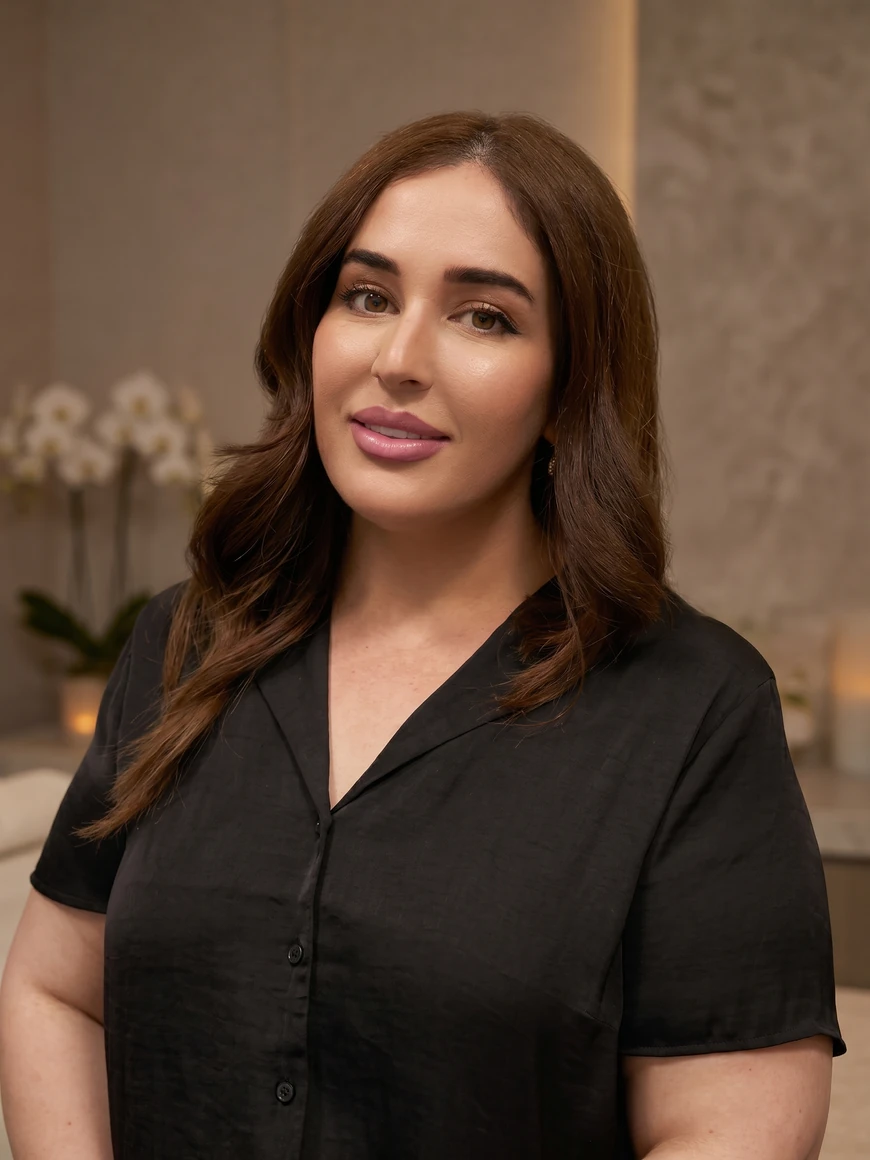
Blissful Touch is a massage and skincare spa at #110, 3565 20th Ave NE in NE Calgary, near Sunridge. Founder Jamilah is a licensed professional and instructor in aesthetics and massage therapy. Meet Jamilah · See all services