Quick answer
A chemical peel applies an exfoliating solution that loosens dull, damaged surface skin so fresher skin can replace it. A glycolic peel is a classic alpha hydroxy acid (AHA) peel for texture, dullness and acne marks. A vitamin C peel focuses on brightness and uneven tone. Light peels take 30 to 45 minutes and usually cause a few days of mild flaking.
Key takeaways
- Peels speed up skin renewal to improve tone, texture and acne marks.
- Glycolic peels smooth texture; vitamin C peels target brightness and dull, uneven tone.
- Light peels mean a few days of mild flaking, not dramatic peeling.
- Best results come from a series, about 2 to 6 weeks apart.
- Daily sunscreen afterwards is essential.
On this page
What does a chemical peel do?
Your skin naturally sheds dead cells, but that process slows down with age, sun exposure and breakouts. Dead cells pile up and make skin look dull, rough and uneven. A professional chemical peel uses a carefully selected solution to loosen the bonds between those dead cells, so they shed faster and fresher, brighter skin comes through.
At Blissful Touch, you can choose a glycolic peel (30 minutes), a vitamin C derma peel (45 minutes) or a back peel and exfoliation. See our chemical peels page for details.
Glycolic peel vs vitamin C peel
| Glycolic peel | Vitamin C derma peel | |
|---|---|---|
| Key ingredient | Glycolic acid, an alpha hydroxy acid (AHA) | Vitamin C, a brightening antioxidant |
| Best for | Rough texture, dullness, acne marks, fine lines | Dullness, uneven tone, tired-looking skin |
| Appointment | About 30 minutes | About 45 minutes |
| Feels like | Warm tingling | Mild tingling |
| Typical after-effects | Mild redness, light flaking for a few days | Mild redness, light flaking |
Not sure which one suits you? That is what the consultation is for. We look at your skin type, concerns and schedule before choosing.
Benefits of a chemical peel
- Brighter, more radiant skin
- More even tone and softer look of sun spots
- Smoother texture
- Faded post-acne marks
- Clearer pores and less congestion
- Better absorption of your skincare
Chemical peel pros and cons
Pros
- Brighter, more even skin tone
- Smoother texture and softer acne marks
- Short appointment: 30 to 45 minutes
- Strength can be adjusted to your skin
- Back peels available for breakouts on the back
Cons
- A few days of flaking and sensitivity
- Strict sun protection needed afterwards
- Not ideal right before an event
- Not for sunburn, cold sores or recent isotretinoin use
- Darker skin tones need careful peel selection to avoid pigment changes
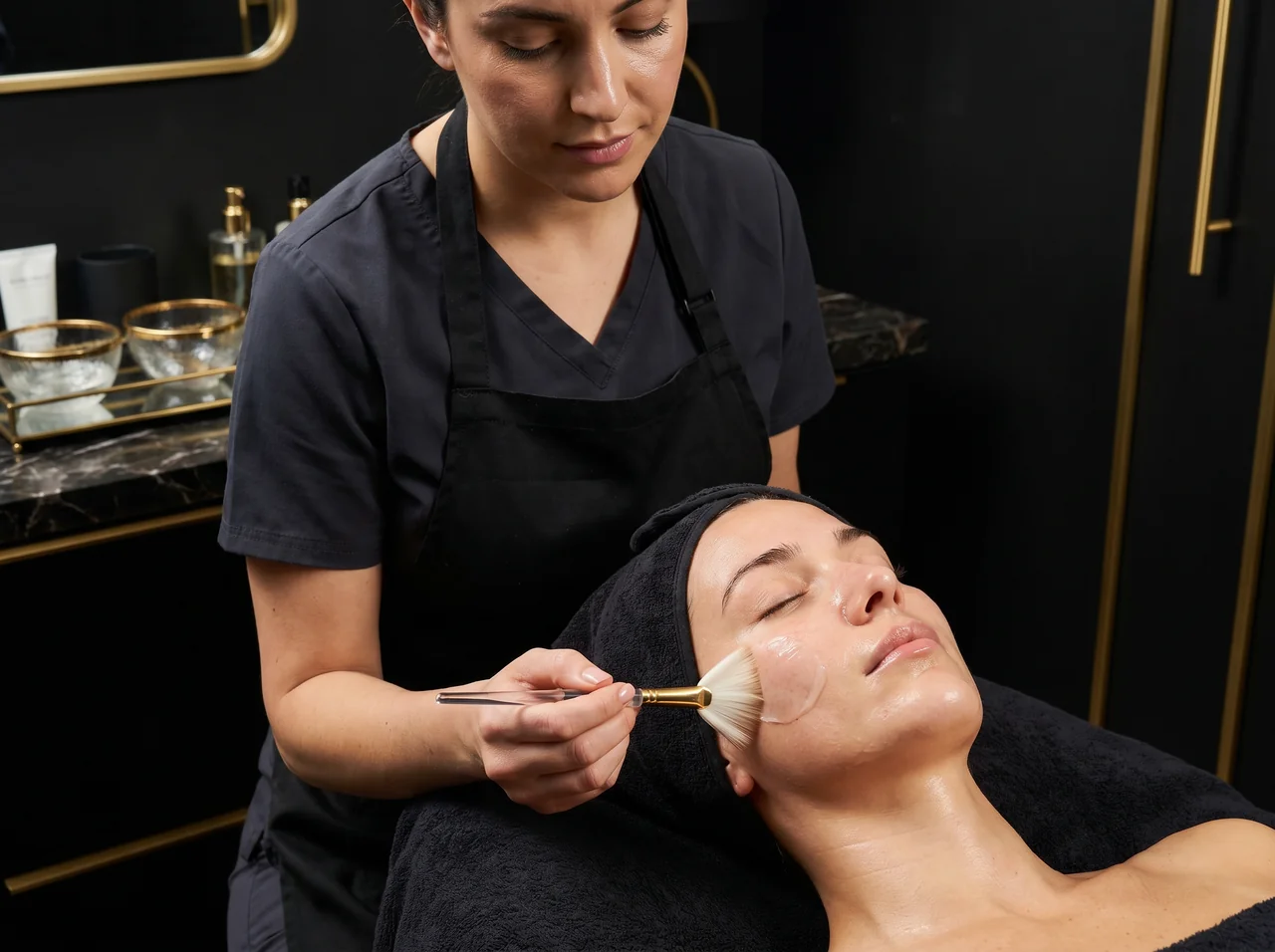
What happens during your appointment
- Consultation. We confirm your skin goals and health history, and choose the right peel strength.
- Cleanse and prep. Skin is cleansed so the peel applies evenly.
- Application. The solution is applied and timed precisely for your skin. Warmth or tingling is normal.
- Neutralize and protect. The peel is removed or neutralized, then soothing products and sunscreen are applied.
At Blissful Touch
Chemical Peels in NE Calgary
See treatment times, what to expect and quick answers on our Chemical Peels page, or book online any time.
Aftercare: how to look after peeling skin
- Don't pick or pull at flaking skin; let it shed naturally.
- Use a gentle cleanser and a simple moisturizer.
- Avoid retinoids, acids and scrubs for several days.
- Wear sunscreen every day. Freshly peeled skin is more sensitive to the sun. In Calgary, snow reflects UV in winter, so this applies year round.
- Skip saunas, hot yoga and intense workouts for a day or two.
Who should avoid a peel?
Tell us before booking if you are pregnant, have recently used isotretinoin, or have sunburn, active cold sores or very sensitive skin. People with darker skin tones can often have peels, but the type and strength must be chosen carefully to lower the risk of pigmentation.
How peels compare with other treatments
A HydraFacial is gentler, with no flaking, and is ideal for regular glow. Microneedling works deeper on indented scars. Many clients use peels alongside these treatments as part of a seasonal plan.
Bottom line
A professional chemical peel is one of the most effective ways to brighten skin and soften marks. Choose the right peel, plan a short series, and protect your new skin with daily sunscreen.
Frequently asked questions
Is there downtime after a chemical peel?
It depends on the strength. Light peels may cause mild redness and some flaking for a few days. We match the peel to your skin and your schedule.
How many chemical peels do I need?
Many people do a series of peels spaced about 2 to 6 weeks apart for the best results, then maintain with occasional sessions.
What is the difference between a glycolic and a vitamin C peel?
A glycolic peel uses glycolic acid, an alpha hydroxy acid, to loosen dead cells and smooth texture. A vitamin C peel focuses on brightening dull, uneven skin. We can recommend one based on your skin goals.
Can I wear makeup after a peel?
It is best to keep skin bare for the rest of the day. After that, gentle makeup is usually fine, but avoid scrubbing it off.
Who should avoid a chemical peel?
Tell us if you are pregnant, have recently used isotretinoin, or have a sunburn, active cold sores or very sensitive skin, so we can choose a safer option.
Can a peel help with back acne?
Yes. Our back peel and exfoliation is designed for breakouts and congestion on the back, an area that is hard to treat at home.
This guide is general information, not medical advice. Results vary from person to person. If you have a medical condition, are pregnant or take prescription medication, check with your doctor before any treatment and tell us when you book.

About Blissful Touch
Blissful Touch is a massage and skincare spa at #110, 3565 20th Ave NE in NE Calgary, near Sunridge. Founder Jamilah is a licensed professional and instructor in aesthetics and massage therapy. Meet Jamilah · See all services